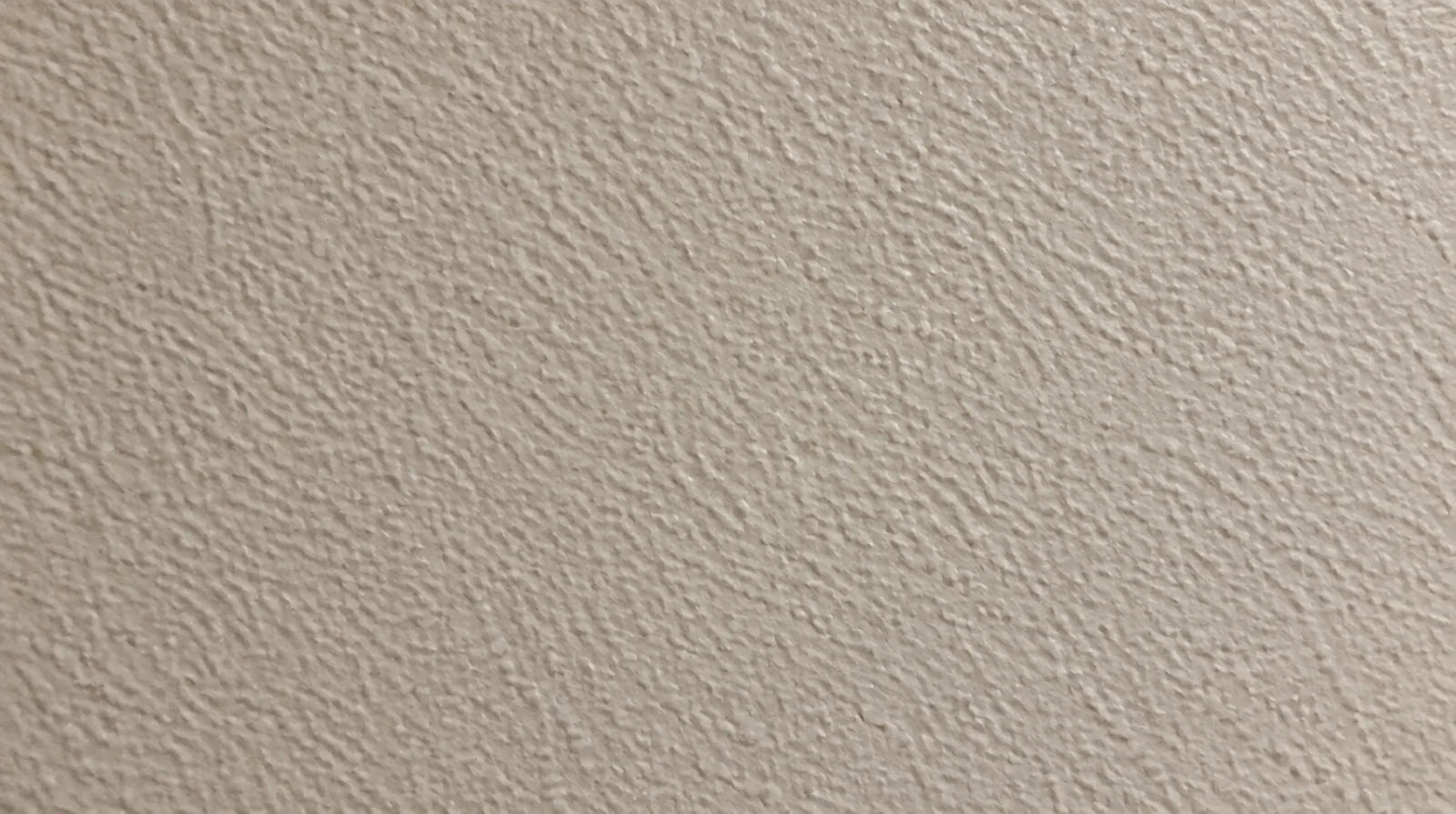
Study the paint layers
Repeated painting can soften an old pattern and change how its peaks reflect light. Matching the wall as it looks now could call for a differing application from the pattern that was first installed. For walls beside bright windows, review a dry sample from an oblique angle as well as looking straight at the repaired surface.
Check the underlying repair
A matching texture cannot hide a raised patch edge or a panel that sits proud of the wall surface. Complete a stable level repair before trying to reproduce the surrounding texture. Where a future fixture will be installed, coordinate any required backing while the cavity is accessible instead of reopening the completed wall.
Identify the existing pattern
Orange peel, knockdown and hand applied textures create distinct depths and shadow lines. Examine the surface in the light the room actually receives before choosing a spray or hand applied method. When comparing competing estimates, make sure their protection, surface finish and disposal allowances describe equivalent work before comparing the final prices.
Prepare a sample area
A small test helps establish particle size, spacing and the amount of flattening needed. Approve the sample before extending the treatment across the entire repaired area. While a removed panel exposes the wall cavity, complete the necessary review of concealed work before replacement board closes the opening.
Protect surrounding finishes
Texture overspray can settle on trim, flooring and nearby fittings if they are not masked. Protect the full reach of the operation, including fittings and trim beyond the original damaged spot. If there is a fixed move in date, reserve enough time for the coating stages after drywall work rather than counting only the installation period.
Judge from normal positions
Close inspection of a wet sample is less useful than reviewing the dry finish from ordinary room viewpoints. The planned coating sheen and oblique light both belong in the final appearance discussion. For an initial assessment from pictures, provide an overall room photograph and a detailed view of the defect so both context and scale are apparent.
Set realistic blend expectations
Age, paint buildup and irregular original application can limit how closely a patch can blend. If local matching remains obvious, discuss whether a wider surface treatment would be preferable. For a surface carrying numerous paint layers, discuss whether differences in the retained profile or sheen justify decorating a broader area.
Control application conditions
Compound consistency and application distance affect how a sprayed pattern lands on the wall. Room conditions and drying rate also influence when a knockdown pass should be made. Where the quoted work stops before painting, request a clear description of what remains so the next decorating stage can be priced realistically.
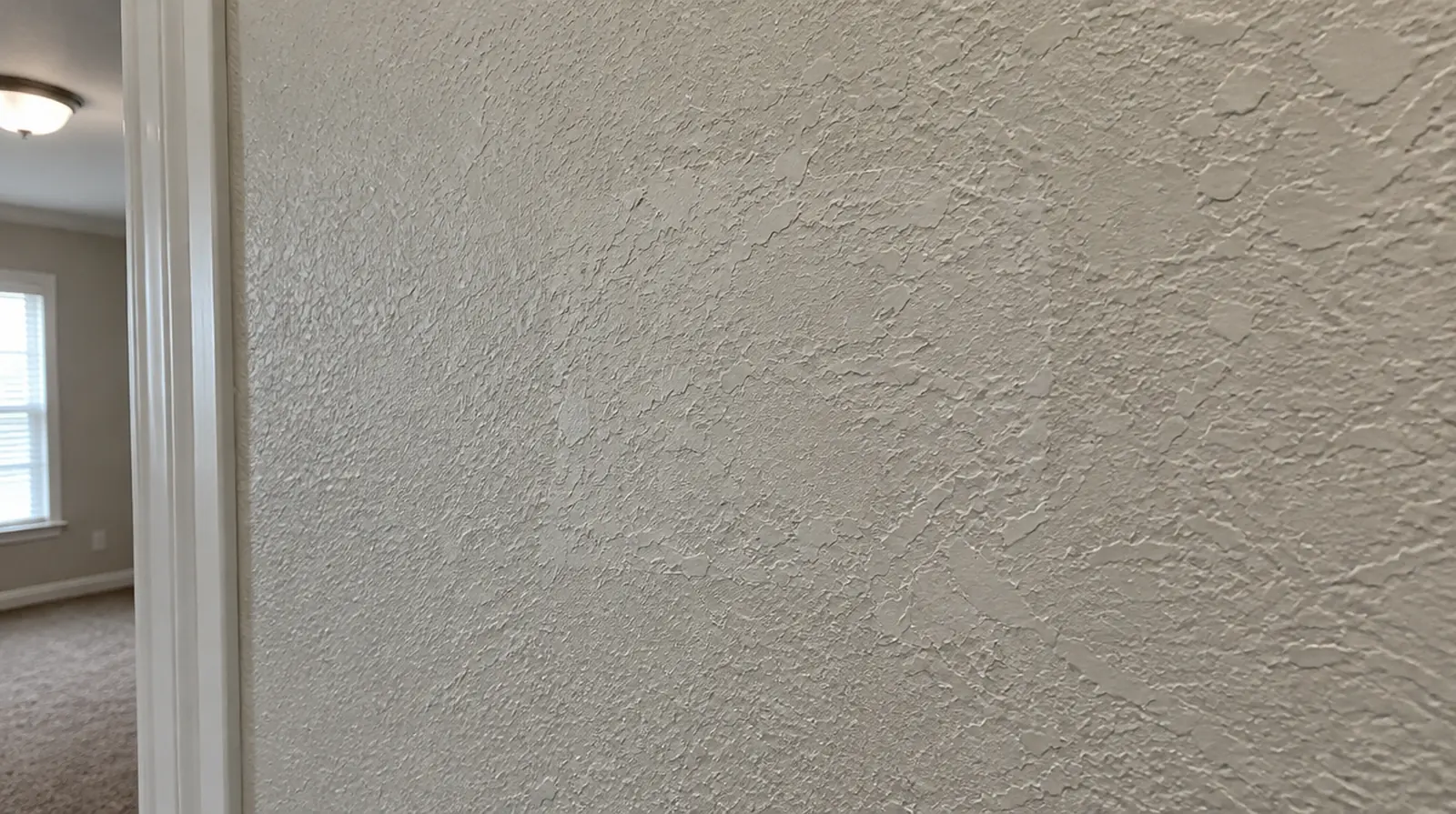
Consider hand applied surfaces
For a troweled pattern, the tool movement and the spacing between its marks matter. A representative trial is useful when there is no standard machine setting that reproduces the existing finish. Where several contractors share the renovation, identify the inspection and handover milestones that determine when each following stage can proceed.
Blend beyond the patch
An abrupt rectangular texture boundary often draws attention even when the pattern itself is close. Feathering the application into adjacent stable material can soften the transition around the repair. When reviewing the finished work, use the agreed lighting and natural room viewpoints so the assessment reflects the intended use of the space.
Project context in Norman
Note when the crack appears, whether nearby doors change operation and what earlier repairs involved. At handover, review the repaired edge in ordinary room light and agree on the repainting extent.
Scope questions before finishing
Where existing floors will remain, specify protective measures and review the path used by panels, equipment and finishing tools.
Where a future fixture will be installed, coordinate any required backing while the cavity is accessible rather than reopening the completed wall.
When a paint contractor follows the drywall work, define the surface condition being handed over and decide who handles any minor final touch ups.
If the decorative coating is already chosen, share its sheen and color early because those choices influence how substrate preparation is judged.
For a surface carrying numerous paint layers, discuss whether differences in the retained profile or sheen justify decorating a broader area.
Where a surface has been painted many times, consider whether differences in texture or sheen will require a wider decorative treatment.
At the handover inspection, review the finish from ordinary room positions using the lighting conditions that were agreed for the work.
For walls beside bright windows, review a dry sample from an oblique angle as well as looking straight at the repaired surface.
Where the quoted work stops before painting, request a clear description of what remains so the next decorating stage can be priced realistically.
For a room with restricted airflow, plan drying conditions alongside dust protection and the comfort of people occupying neighboring spaces.
For a wall receiving a decorative covering, provide its preparation requirements early sufficient for the drywall finish to support that product.
When concealed damage is possible, establish how additional findings and any proposed removal will be recorded before the scope changes.
Explore the Norman drywall overview for related options, or read the project planning information before arranging the next stage.
More planning details for Norman
A Norman doorway with a recurring hairline crack is a reason to discuss movement history rather than immediately choose the quickest surface treatment. A drywall contractor can describe the surface work, while a concern about the supporting structure may need a separate professional assessment. Once that boundary is clear, plan protection and access for the selected method.